Japanese streetwear isn’t just a fashion trend; it’s a cultural phenomenon that’s taken the world by storm. Imagine a vibrant blend of tradition and modernity, where bold graphics meet meticulous craftsmanship. From the bustling streets of Tokyo to the runways of Paris, this unique style has carved out a niche that’s as distinctive as it is influential.
Overview of Japanese Streetwear
Japanese streetwear represents a vibrant blend of culture and innovation. This fashion genre draws inspiration from urban environments, incorporating elements from various subcultures such as punk, hip-hop, and anime. Designers often emphasize creativity in their collections, showcasing originality in clothing, footwear, and accessories.
Bold graphics and intricate detailing set this style apart. Streetwear pieces frequently feature oversized fits, layering techniques, and unique silhouettes, catering to diverse tastes. The use of vivid colors and eye-catching patterns enhances visual appeal, making these garments popular among fashion enthusiasts and casual wearers alike.
Tokyo serves as the epicenter of this movement, with neighborhoods like Harajuku and Shibuya playing pivotal roles in its evolution. Local brands like A Bathing Ape (BAPE) and Undercover command respect globally, while emerging designers continue to push boundaries. Collaborations between these labels and major brands further elevate the streetwear scene and expand its reach.
Internationally, Japanese streetwear influences fashion runways from Paris to New York. Fashion insiders recognize it for its ability to merge traditional craftsmanship with contemporary aesthetics. Members of the fashion community often discuss its impact on global trends, showcasing how Japanese designers craft items that resonate across cultures.
Artistry characterizes both established and up-and-coming Japanese streetwear brands. Key design elements like graffiti-inspired prints and innovative fabrics contribute to a unique identity. This clothing genre not only shapes individual style but also fosters a sense of community among wearers, reflecting broader societal themes.
Key Influences on Japanese Streetwear
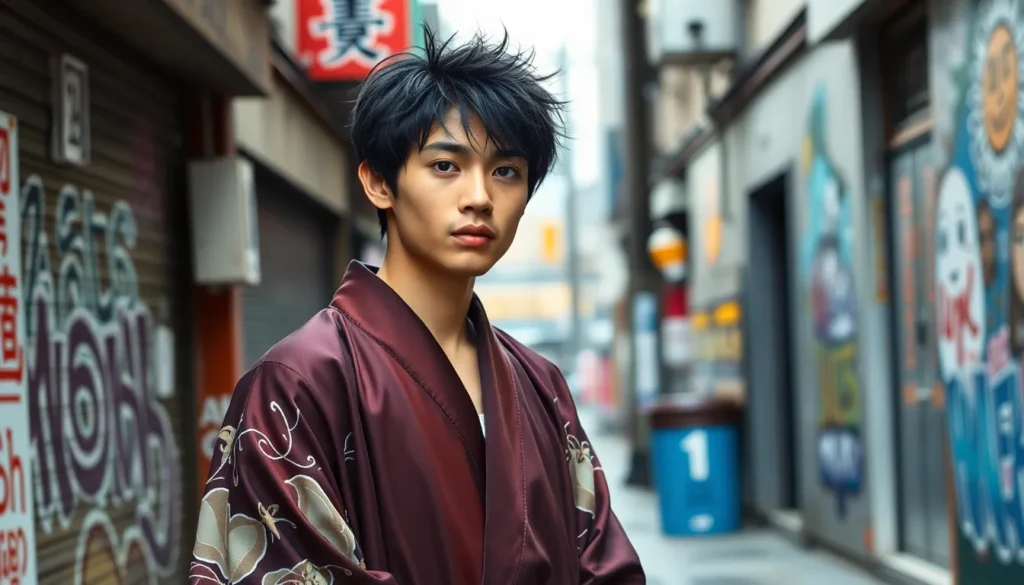
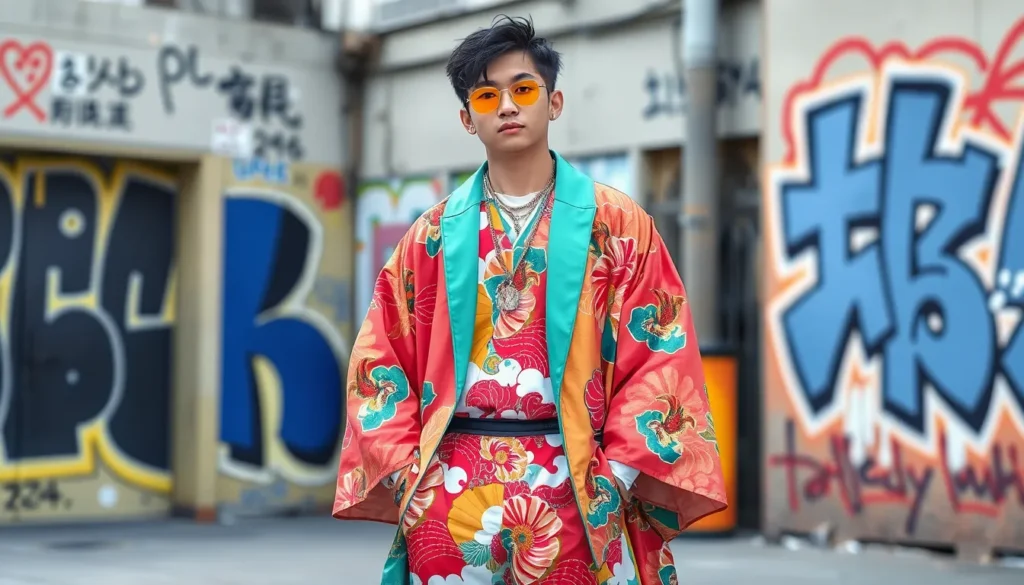
Japanese streetwear draws from various cultural influences that shape its distinctive identity. This section examines key influences on this popular fashion style.
Traditional Japanese Fashion
Traditional Japanese fashion significantly influences streetwear aesthetics. Kimono silhouettes inspire the layering techniques often seen in contemporary designs. Designers frequently incorporate unique patterns, such as those found in yukata, into their collections. Fabrics like silk and cotton serve to elevate modern garments while maintaining a connection to heritage. The incorporation of traditional motifs creates a dialogue between past and present, showcasing a rich cultural narrative. This blending enhances the originality of streetwear, attracting both local and international audiences.
Western Cultural Impact
Western culture exerts a substantial influence on Japanese streetwear. The rise of hip-hop and skate culture has reshaped styles across urban landscapes. American brands and trends inspire local designers, encouraging them to reinterpret Western elements creatively. Collaborations between Japanese and Western brands have gained momentum, fostering a global exchange of ideas. Influences from Western music, art, and lifestyle contribute to the eclectic nature of Japanese streetwear. This interplay encourages innovation while reinforcing the genre’s relevance in the global fashion scene.
Iconic Brands in Japanese Streetwear
Several brands stand at the forefront of Japanese streetwear, blending innovative design with cultural references. Each brand contributes uniquely to the landscape, influencing global trends and local style.
A Bathing Ape (BAPE)
A Bathing Ape, commonly known as BAPE, emerged in 1993. Founded by Nigo in Tokyo, it quickly gained fame for its distinct ape logo and camouflage patterns. The brand embraces bold graphics and vibrant colors, appealing to youth culture. Streetwear enthusiasts recognize BAPE for its limited releases and collaborations with luxury brands, boosting its status. Fans often cite its iconic shark hoodie as a staple piece, reflecting its impact on the streetwear scene.
Comme des Garçons
Comme des Garçons, created by designer Rei Kawakubo in 1969, revolutionized fashion with avant-garde designs. The brand challenges conventional shapes and silhouettes, often featuring asymmetrical cuts and deconstructed forms. Known for its commitment to artistry, it frequently uses black in collections to highlight texture and structure. Comme des Garçons also incorporates playful patterns, allowing for creative expression in streetwear. Its seasonal shows attract global attention, reinforcing its role as a significant influencer in both street and high fashion.
Issey Miyake
Issey Miyake, founded in 1970, is celebrated for innovative fabric techniques and technology. The designer’s focus on functionality pairs with a minimalist aesthetic, creating versatile pieces. Miyake’s Pleats Please collection highlights unique pleating methods, offering practical yet artistic designs. Textiles often play a central role, emphasizing movement and comfort. This brand captures attention by merging traditional craftsmanship with modern sensibility, making it a vital contributor to Japanese streetwear’s evolution.
Trends in Japanese Streetwear
Japanese streetwear embraces various trends, capturing the essence of urban culture and creativity.
Street Art and Graffiti
Street art and graffiti play pivotal roles in shaping Japanese streetwear’s visual identity. The bold graphics often seen on clothing take cues from vibrant urban murals, resonating with youth culture. Artists collaborate with designers to bring unique prints to life, ensuring a fresh aesthetic. Iconic motifs and graffiti-inspired designs reflect the energy of city streets, appealing to fashion enthusiasts. Many brands incorporate these elements as a way to celebrate local art scenes. Through this fusion, clothing transforms into a canvas that tells stories of community and self-expression.
Collaborations with Global Brands
Collaborations with global brands amplify Japanese streetwear’s impact on fashion. Notable partnerships expand reach, introducing innovative designs to international markets. Local brands often team up with established names to create limited collections that attract widespread attention. These collaborations merge aesthetics, blending traditional Japanese craftsmanship with contemporary styles. By creating unique offerings, these partnerships maintain excitement within the fashion community. Global brands benefit from Japan’s cultural richness, while local designers gain exposure, showcasing the creativity that fuels this fashion movement.
Japanese streetwear stands as a dynamic force in the fashion world. Its unique blend of cultural influences and innovative design continues to inspire and captivate audiences globally. With its roots deeply embedded in the streets of Tokyo and its reach extending to international runways, this style embodies creativity and community.
The ongoing evolution of Japanese streetwear reflects the spirit of collaboration and artistic expression. As designers push boundaries and reinterpret traditional elements, they create a vibrant dialogue between past and present. This movement not only shapes personal style but also fosters connections among wearers, making it a significant cultural phenomenon in today’s fashion landscape.