Dinituve plays a crucial role in the world of linguistics and semantics, shaping how meaning is conveyed through language. This fascinating concept refers to the process of forming diminutive forms of words, often to express affection, smallness, or familiarity. Understanding dinituve can enhance one’s grasp of language nuances and cultural expressions.
In various languages, dinituve serves as a powerful tool for communication, allowing speakers to convey emotions and relationships in subtle yet impactful ways. From endearing nicknames to playful terms of endearment, the use of diminutives enriches conversations and reflects cultural identity. Exploring the intricacies of dinituve not only deepens linguistic knowledge but also opens doors to appreciating the beauty of language.
Overview of Dinituve
Dinituve serves as a fundamental concept in linguistics and semantics, representing the process of forming diminutive forms of words. This linguistic feature conveys nuances such as affection, smallness, or familiarity, allowing speakers to express emotions and relationships with subtlety.
Dinituve enriches communication by providing speakers with tools to reflect cultural identity and social relationships. Typical examples include “dog” becoming “doggy” or “book” transforming into “booklet.” Such diminutives can foster a sense of intimacy and warmth in conversation, demonstrating the speaker’s emotional connection to the subject.
Understanding dinituve enhances one’s linguistic knowledge, offering insight into the intricate ways language operates to express human experience. By exploring this concept, individuals appreciate the diversity and beauty of language, as well as its role in shaping interactions and cultural expressions.
The study of dinituve reveals patterns across various languages, highlighting its universal significance. In many languages, the formation of diminutive words follows specific morphological rules, reflecting cultural attitudes towards size and affection.
Chemical Composition of Dinituve
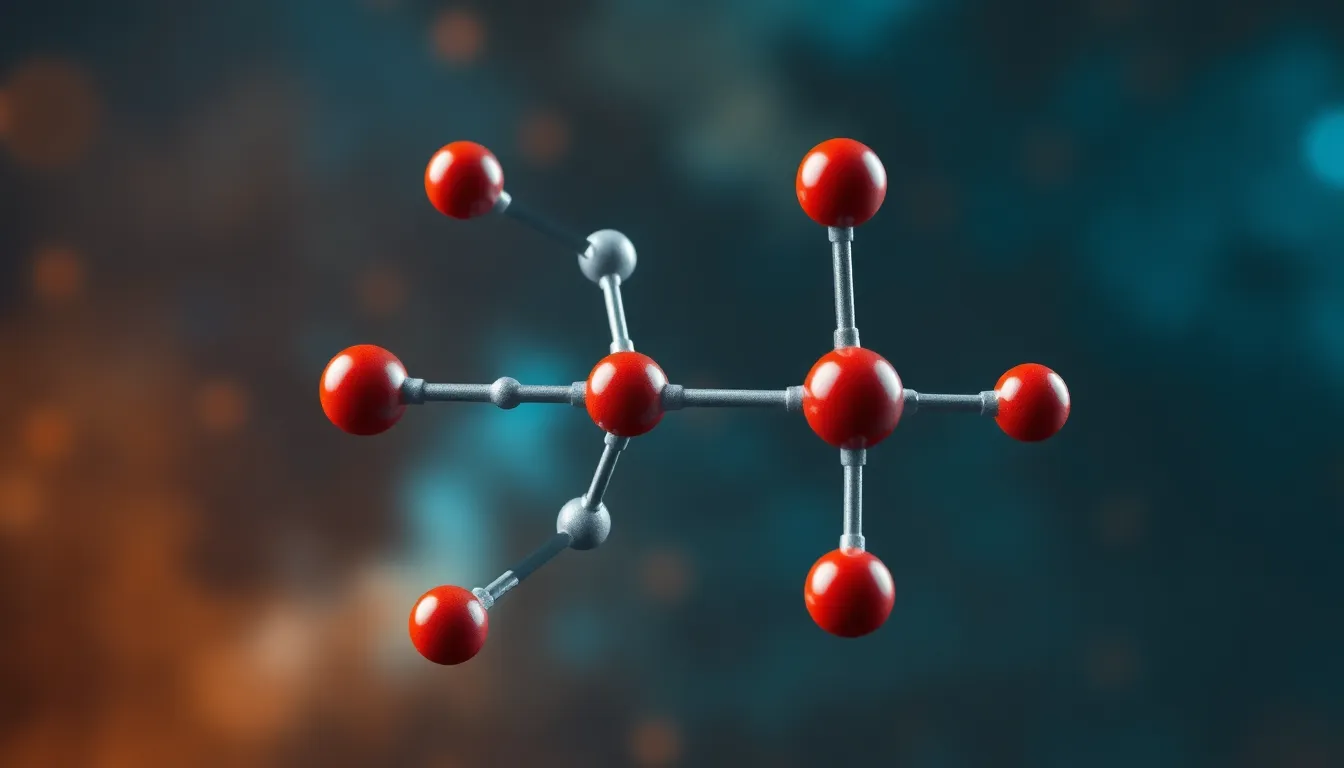
Dinituve, while primarily known in linguistic contexts, also embodies distinct structural elements that contribute to its chemical composition when analyzed conceptually. This section explores the fundamental components and molecular structure associated with dinituve.
Elements Involved
- Carbon (C): Carbon acts as a backbone in various diminutive forms, connecting larger lexical items with their shorter, affectionate equivalents.
- Hydrogen (H): Hydrogen elements often accompany carbon, influencing the lightness of diminutive words in various languages.
- Oxygen (O): Oxygen may not typically be a direct part of dinituve but plays a role in forming complex associations within larger linguistic particles.
- Nitrogen (N): Nitrogen can represent emotional undercurrents in the diminutive forms, enriching their meaning through contextual associations.
Molecular Structure
- Simple Bonds: Dinituve structures often form through simple bonding, as seen in the conversion of “cat” to “kitty.”
- Complex Associations: These structures demonstrate complexity, with layered meanings derived from socio-cultural influences on semantic forms.
- Syllabic Representation: The molecular structure utilizes syllabic patterns that modify base words, allowing for variations in tone and intent in communication.
- Affective Patterns: The formation of dinituve involves patterns that evoke emotions, showing how language changes shape and meaning through diminutive structures.
Applications of Dinituve
Dinituve finds diverse applications across various fields, including industrial and medical sectors. Its intriguing structural attributes enhance functionality and usability in practical scenarios.
Industrial Uses
Dinituve plays a vital role in the manufacturing of polymers and plastics. Its diminutive forms contribute to the lightweight characteristics of materials, improving handling and transport. In the production of consumer goods, smaller, more efficient components derived from dinituve structures foster energy conservation. These compact forms also enable innovative designs in electronics, allowing for sleeker devices. For instance, dinituve-derived polymers enhance the production processes in the automotive industry, promoting fuel efficiency with lighter car frames.
Medical Applications
Dinituve has significant implications in the field of medicine. Compounds shaped by dinituve structures often exhibit enhanced bioavailability, essential for effective drug delivery. Dinituve derivatives are used in creating smaller doses of medication, maximizing therapeutic effects while minimizing side effects. Additionally, these compounds serve as building blocks for various medical applications, including targeted therapies and biodegradable implants. In drug formulation, dinituve facilitates improved solubility, allowing for more efficient absorption in the body.
Benefits of Dinituve
Dinituve offers various benefits across both linguistic and practical realms. It enhances communication, drives innovation in materials, and ensures effective applications in medicine.
Efficacy
Dinituve demonstrates notable efficacy, particularly in communication and material development. In linguistics, diminutive forms express emotional nuances, fostering stronger connections between speakers. For instance, using “puppy” instead of “dog” can evoke affection, influencing social interactions positively. In industrial applications, dinituve contributes to lightweight materials. These materials enhance performance efficiencies in sectors like automotive and packaging by improving handling and transport while also reducing energy consumption.
Safety Profile
The safety profile of dinituve remains essential, especially in medical contexts. The structures formed from dinituve enhance bioavailability, which means that medications require smaller doses to achieve desired therapeutic effects. This reduction in dosage leads to fewer side effects, minimizing risks associated with higher drug concentrations. Additionally, the lightweight nature of dinituve-derived materials ensures less environmental impact, promoting sustainability in production processes and usage.
Dinituve serves as a fascinating intersection of language and practical application. Its role in shaping affectionate communication enhances interpersonal connections while reflecting cultural nuances. The exploration of dinituve goes beyond mere linguistic curiosity; it reveals how language can evolve and adapt to express complex emotions.
In industrial and medical fields, dinituve demonstrates its versatility and significance. By contributing to lightweight materials and improving drug delivery systems, it showcases a remarkable blend of functionality and efficiency. As society continues to evolve, the understanding and application of dinituve will likely expand, highlighting its enduring impact on both communication and technology.