Ever wondered what a “cokiadora” is? This mysterious Spanish term has been gaining traction among culinary enthusiasts and professional chefs alike. A cokiadora is a specialized kitchen tool that’s revolutionizing the way food lovers prepare certain traditional dishes.
While not yet mainstream in American kitchens, this versatile device has centuries of history in Spanish cuisine. It’s designed to simplify complex cooking processes that would otherwise require significant time and effort. The rising popularity of authentic international cooking has brought the cokiadora into the spotlight, with home chefs eager to add this efficient tool to their collection.
What Is a Cokiadora: Understanding This Traditional Tool
A cokiadora is a traditional Spanish culinary implement used primarily for processing and preparing specific types of foods. This specialized tool features a heavy, cylindrical body with a mechanical pressing mechanism that applies consistent pressure to food items. Originating from rural Spanish kitchens centuries ago, cokiadoras were developed to streamline labor-intensive food preparation tasks that required compression or extraction.
The design of a cokiadora typically includes a metal or wooden base, a pressure chamber, and a lever or screw mechanism that generates force. Modern versions often incorporate stainless steel components for durability and easier cleaning, while maintaining the authentic functionality of the original design. Artisanal cokiadoras crafted by specialized toolmakers still exist alongside mass-produced models.
Functionality distinguishes the cokiadora from other kitchen tools. Unlike general-purpose equipment, it excels at specific tasks such as compressing cured meats, extracting juices, or forming traditional food items into specific shapes. The controlled pressure application makes it irreplaceable for achieving authentic textures in certain Spanish delicacies.
Regional variations of the cokiadora exist throughout Spain, with slight modifications in design reflecting local culinary traditions. Northern Spanish versions often feature stronger compression mechanisms for processing heartier ingredients, while Mediterranean coastal variations might include specialized attachments for seafood preparation.
Cokiadoras represent an important connection to culinary heritage, preserving traditional food preparation methods that might otherwise be lost to modern convenience appliances. Their resurgence in popularity aligns with growing interest in authentic cooking techniques and artisanal food production methods among culinary enthusiasts seeking to explore traditional Spanish gastronomy.
The History and Cultural Significance of the Cokiadora
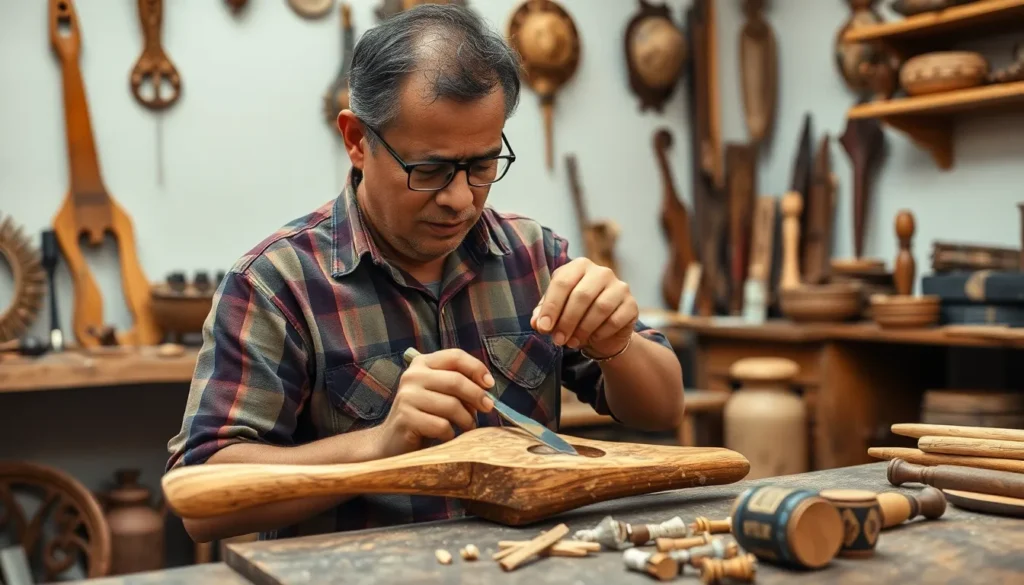
The cokiadora’s rich history spans centuries, evolving from a humble agricultural tool to a culturally significant implement. Its journey reflects the intertwining of practical necessity and cultural preservation across Latin American communities.
Origins in Latin American Agriculture
Cokiadoras first appeared in rural Latin American farming communities during the 16th century, primarily in regions with extensive cocoa cultivation. Indigenous farmers developed these specialized wooden implements to process harvested cocoa pods efficiently. Early designs featured hand-carved wooden components with stone elements for crushing and separating cocoa beans from their pods. Colonial records from 1547 document Spanish explorers’ observations of native populations using similar tools in what is now Venezuela and Colombia. The tool’s name derives from “coki,” an indigenous Taíno word referring to the process of breaking open and preparing cocoa, combined with the Spanish suffix “-adora” denoting a tool or implement.
Evolution Through Generations
The cokiadora transformed significantly as it passed through generations of artisans and users. 18th-century examples incorporated metal components, enhancing durability and functionality while maintaining traditional wooden handles. Family workshops specialized in crafting these tools, with distinctive regional variations emerging across Mexico, Colombia, and Venezuela. During the industrial revolution, mass-produced models appeared but failed to replace handcrafted versions valued for their cultural authenticity. Contemporary cokiadoras blend traditional design elements with modern materials like food-grade stainless steel and hardwood composites. Families often pass down heirloom cokiadoras as treasured artifacts, with some antique specimens dating back 150+ years commanding high prices among collectors passionate about preserving this aspect of Latin American culinary heritage.
How a Cokiadora Works: Design and Mechanics
The cokiadora combines sophisticated mechanical principles with straightforward operation to deliver consistent results. Its ingenious design allows for precise pressure application while maintaining the integrity of processed ingredients, making it a valuable tool for authentic food preparation.
Key Components and Structure
A traditional cokiadora consists of several interconnected parts working in harmony. The base provides stability and houses the collection chamber where processed materials gather. Above this sits the main compression cylinder, typically crafted from food-grade stainless steel or seasoned hardwood. The pressing mechanism incorporates a threaded rod attached to a pressure plate, enabling controlled force application. Hand-operated levers or cranks translate rotational movement into downward pressure. Modern versions often feature calibrated pressure gauges for precision, while premium models include interchangeable dies for different food applications. The hopper at the top facilitates easy ingredient loading, designed with an ergonomic profile to prevent spillage during operation.
Operating Process Explained
Operating a cokiadora follows a logical sequence that maximizes efficiency and product quality. Users first prepare ingredients according to traditional specifications, often involving pre-soaking or seasoning. The hopper receives these prepared materials while the operator positions appropriate collection vessels beneath the outlet. Turning the crank activates the threaded mechanism, gradually lowering the pressure plate onto the contents. This compression extracts liquids or reshapes solids depending on the specific application. Many experienced users develop a rhythmic cranking technique that optimizes extraction without damaging delicate ingredients. The process continues until desired consistency or extraction level is achieved, with some recipes requiring multiple compression cycles. Regional variations in operating techniques reflect the specific culinary traditions they serve.
Common Uses for a Cokiadora in Modern Times
The cokiadora continues to maintain relevance beyond its historical origins, finding numerous applications in contemporary settings. Its versatile design and efficient functionality make it valuable across various industries and for different purposes in today’s world.
Agricultural Applications
Modern agricultural operations utilize cokiadoras for multiple specialized tasks that enhance productivity and product quality. Farmers employ these devices to process raw harvests, particularly in cocoa and coffee production where beans require consistent compression to release oils and flavors. Cokiadoras excel at seed oil extraction from sunflower, pumpkin, and flax seeds, producing pure, cold-pressed oils without chemical additives. Small-scale organic farms integrate these traditional tools into their sustainable farming practices, appreciating the minimal energy consumption and mechanical reliability. The precision pressure control of contemporary cokiadoras allows agricultural processors to standardize their output while maintaining traditional processing methods. Many agricultural cooperatives in Latin America and Spain have modernized their facilities with industrial-grade cokiadoras that process larger volumes while preserving authentic techniques.
Artisanal and Small-Scale Production
Artisanal food producers embrace cokiadoras as essential equipment for creating premium specialty products with authentic character. Craft chocolatiers use custom-designed versions to process cacao beans, controlling pressure levels that develop distinct flavor profiles impossible to achieve with mass-production methods. Boutique olive oil producers rely on cokiadoras to extract first-press oils, capturing the most delicate flavors and highest nutritional content from carefully selected olives. Traditional cheese makers employ these devices to press whey from fresh curds, creating consistent texture and proper moisture levels in aged cheeses. The mechanical simplicity of cokiadoras appeals to the maker movement, with artisans appreciating the direct connection to traditional craftsmanship these tools provide. Specialty coffee roasters have adopted modified cokiadoras for experimental processing techniques that enhance flavor complexity in limited-edition offerings. The rise of farm-to-table restaurants has further popularized these devices among chefs seeking to create house-made condiments and preserved goods with distinctive characteristics.
Choosing the Right Cokiadora for Your Needs
Selecting an appropriate cokiadora requires careful consideration of several factors based on your specific culinary requirements. The right cokiadora enhances food preparation efficiency while delivering authentic results for traditional recipes and modern applications alike.
Quality Indicators to Look For
Material composition stands as the primary quality indicator for any cokiadora purchase. Food-grade stainless steel components offer superior durability and hygiene compared to older cast iron or aluminum models. Construction integrity manifests through seamless welding, consistent threading on compression mechanisms, and balanced weight distribution. Precision-engineered pressure control systems enable fine adjustments for different ingredient densities, particularly important for delicate extraction processes. Hand-crafted cokiadoras from established artisans often feature signature design elements that improve functionality while maintaining traditional aesthetics. Reputable manufacturers provide comprehensive warranties, detailed maintenance instructions, and replacement part availability—indicators of their confidence in product longevity. Ergonomic features such as properly sized handles, smooth-operating cranks, and stable bases significantly improve user experience during extended food preparation sessions.
Price Range and Investment Considerations
Entry-level cokiadoras typically range from $85-200, offering basic functionality suitable for occasional home use and standard food processing tasks. Mid-range models priced between $200-500 incorporate enhanced pressure control mechanisms, interchangeable dies, and superior craftsmanship for more consistent results. Professional-grade cokiadoras cost $500-1,200+ and feature precision-engineered components, specialized adaptations for specific culinary applications, and commercial-level durability. Vintage and artisanal models command premium prices ($800-2,000) based on provenance, craftsmanship, and historical significance rather than practical improvements. Additional investment considerations include maintenance requirements, replacement part availability, and versatility across different food preparation techniques. Specialty retailers often provide comprehensive demonstrations, allowing hands-on testing before purchase—an invaluable opportunity to assess ergonomic comfort and operational smoothness firsthand.
Maintenance and Care Tips for Your Cokiadora
Regular maintenance keeps your cokiadora functioning properly and extends its lifespan. Cleaning this traditional tool after each use prevents residue buildup that can affect both performance and flavor profiles of processed foods.
Begin the cleaning process by disassembling all removable parts of your cokiadora. Carefully wash each component with warm water and mild dish soap, avoiding harsh chemical cleaners that might damage the materials or contaminate future food preparation. Pay special attention to crevices where food particles often hide, particularly in the compression chamber and around the pressing mechanism.
For wooden components found in traditional cokiadoras, apply food-grade mineral oil quarterly to prevent drying and cracking. Metal parts require different care—wipe them thoroughly dry after washing to prevent oxidation, and occasionally apply a thin layer of food-safe lubricant to moving parts like the threaded rod.
Storage considerations play a crucial role in maintaining your cokiadora’s condition. Keep the device in a dry environment away from extreme temperature fluctuations that can warp wooden elements or compromise metal joints. Many culinary experts recommend partial disassembly during long-term storage to reduce stress on gaskets and seals.
Signs that your cokiadora needs maintenance include resistance when turning the handle, unusual noises during operation, or inconsistent pressure application. Address these issues promptly by checking for misalignments, tightening loose components, or replacing worn parts from specialty suppliers who stock authentic replacement pieces.
Professional refurbishment might be necessary for antique cokiadoras every 5-7 years, ensuring these cultural artifacts remain functional while preserving their historical integrity and distinctive craftsmanship.
Conclusion
The cokiadora stands as a testament to culinary tradition while proving its relevance in modern kitchens. This versatile tool bridges generations of food preparation techniques across Spanish and Latin American cuisines with remarkable efficiency.
Whether you’re an enthusiastic home cook exploring authentic international dishes or a professional chef seeking traditional methods the cokiadora offers unmatched precision for specialized food processing tasks.
As interest in artisanal production methods continues to grow the cokiadora’s popularity will likely expand beyond specialty kitchens. With proper selection care and maintenance this historically significant tool can become a treasured addition to any culinary collection delivering authentic results that honor centuries of gastronomic heritage.