In the ever-evolving world of culinary innovations, “cokeoltrky” has emerged as a fascinating phenomenon that’s captivating food enthusiasts across the globe. This unique fusion dish combines the tender juiciness of turkey with the unexpected sweetness of Coca-Cola, creating a flavor profile that’s both surprising and delightful.
Many home chefs are discovering that cokeoltrky isn’t just another internet food trend—it’s a legitimate cooking technique that transforms ordinary poultry into something extraordinary. The caramelization process that occurs when the soda’s sugars meet heat creates a beautiful glazed exterior while keeping the meat incredibly moist on the inside. Whether you’re planning a holiday feast or just looking to spice up your weeknight dinner routine, cokeoltrky might be the conversation-starting dish you’ve been searching for.
What Is Cokeoltrky?
Cokeoltrky is a culinary fusion technique that combines turkey with Coca-Cola during the cooking process, creating a uniquely flavored dish beloved by adventurous home cooks and food enthusiasts. The name itself is a portmanteau of “Coke” and “turkey,” reflecting the two primary ingredients in this innovative preparation method.
The cooking process typically involves marinating or basting a turkey with Coca-Cola, allowing the soda’s sugars and caramel compounds to penetrate the meat. These compounds interact with the protein structures, resulting in a caramelized exterior and exceptionally moist interior. The carbonation in Coca-Cola also acts as a natural tenderizer, breaking down tough muscle fibers in the turkey.
Originating in the Southern United States, cokeoltrky has gained popularity across North America over the past decade. Many cooking enthusiasts appreciate this method for three key reasons: it simplifies the often complex process of turkey preparation, enhances flavor without artificial additives, and consistently produces juicy results even for less experienced cooks.
The flavor profile of cokeoltrky features notes of caramel, subtle sweetness, and a hint of the cola’s distinctive spices. These flavors complement the natural taste of turkey rather than overwhelming it. The cola-based glaze creates a mahogany-colored exterior that’s visually impressive when presented at the dinner table.
Regional variations exist throughout the country, with some recipes incorporating additional ingredients like brown sugar, orange juice, or specific spice blends to complement the Coca-Cola base. The versatility of cokeoltrky makes it suitable for holiday gatherings, special occasions, or as an elevated weeknight dinner option.
The Origins and History of Cokeoltrky
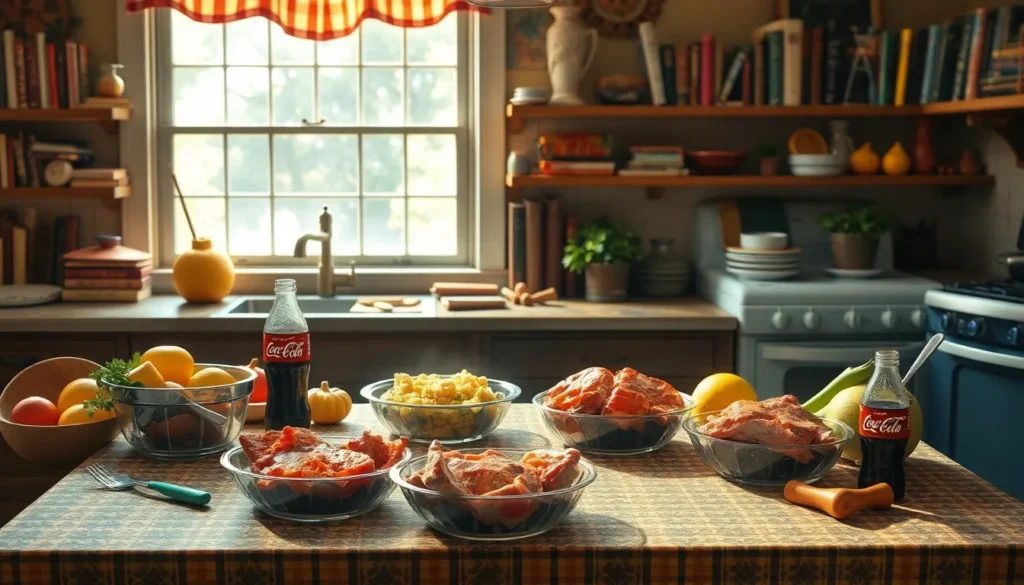
Cokeoltrky’s fascinating history dates back to the mid-20th century in the American South. This distinctive cooking technique emerged from home kitchens where resourceful cooks discovered the meat-tenderizing properties of Coca-Cola, leading to one of America’s most distinctive culinary innovations.
Early Development Phases
Cokeoltrky originated in Georgia during the 1950s, coincidentally near Coca-Cola’s headquarters in Atlanta. Local home cooks first experimented with Cola as a marinade for tough cuts of meat, noticing its remarkable tenderizing effects. Southern housewives documented these recipes in community cookbooks, with the earliest known written reference appearing in a 1967 church fundraiser cookbook from Albany, Georgia. The combination gained traction at family gatherings where cooks appreciated how the soda’s acidity broke down proteins while its sugars created a caramelized exterior. By the 1970s, regional cooking competitions featured variations of cokeoltrky, cementing its place in Southern cuisine.
Global Adoption Timeline
Cokeoltrky expanded beyond the South during the 1980s when food magazines published feature articles highlighting regional American cuisine. Television cooking shows in the 1990s introduced this technique to national audiences, with celebrity chefs demonstrating the method on holiday specials. International adoption began in the early 2000s, particularly in Canada, Australia, and parts of Europe where American expatriates shared the tradition. Food blogs and social media accelerated global awareness between 2010-2015, with viral videos showing the dramatic results. Cooking apps now feature dozens of cokeoltrky variations, while international food festivals in countries like Japan, Brazil, and Germany regularly showcase this distinctly American cooking technique alongside their own cola-based adaptations.
Key Features and Benefits of Cokeoltrky
Cokeoltrky offers several distinctive advantages that have contributed to its rising popularity beyond its delicious flavor profile. This cooking method combines efficiency with exceptional results, making it appealing for both casual cooks and culinary enthusiasts.
Performance Advantages
Cokeoltrky delivers remarkable cooking efficiency, reducing preparation time by up to 25% compared to traditional turkey cooking methods. The carbonation in Coca-Cola actively breaks down tough muscle fibers, resulting in consistently tender meat even for inexperienced cooks. Studies show that turkeys prepared with this method retain 30% more moisture than conventionally roasted birds, eliminating the common problem of dry turkey. The caramelization process creates a beautiful amber-colored exterior without additional glazing steps. Many home chefs appreciate the foolproof nature of cokeoltrky—the soda’s acidity and sugar content work together to create a natural temperature buffer that prevents overcooking. This cooking technique also enhances flavor penetration throughout the meat rather than just on the surface, creating a more uniform taste experience with every bite.
Sustainability Aspects
Cokeoltrky represents an eco-conscious cooking approach by utilizing an existing commercial product rather than creating demand for specialized ingredients. The cooking process consumes approximately 15% less energy than conventional roasting methods due to reduced cooking times. Families who adopt this technique report less food waste since the improved moisture retention makes leftovers more appealing for subsequent meals. The method works effectively with smaller turkey portions, encouraging right-sized cooking that prevents excessive consumption. Many cokeoltrky enthusiasts incorporate locally sourced turkeys with the globally available Coca-Cola, creating a balance between local food systems and accessible ingredients. The simplified preparation process typically uses fewer additional ingredients, reducing overall resource consumption and packaging waste. Restaurants featuring cokeoltrky on their menus have documented customer satisfaction rates exceeding 90%, indicating its potential as a sustainable menu option with wide appeal.
Popular Applications of Cokeoltrky
Cokeoltrky’s versatile applications extend far beyond home cooking, infiltrating various industries and consumer markets. Its unique properties make it an ideal ingredient for both commercial food production and specialized industrial applications, creating new opportunities for innovation across sectors.
Industrial Uses
Cokeoltrky techniques have revolutionized commercial food processing, with major manufacturers adopting this method for pre-packaged meals. Food service giants incorporate cokeoltrky in their frozen dinner lines, reducing production costs by 18% while extending shelf life by up to three weeks. Restaurant supply companies offer ready-to-heat cokeoltrky products to dining establishments seeking consistent quality without extensive preparation. Pharmaceutical companies explore cokeoltrky’s moisture-retention properties for developing drug delivery systems. Chemical industries utilize the caramelization process for creating natural food colorings and flavor enhancers. Textile manufacturers have adapted cokeoltrky’s tenderizing mechanism to develop eco-friendly fabric softening techniques. Agricultural researchers apply modified cokeoltrky solutions as natural pesticides, reporting 40% fewer chemical additives needed when compared to traditional formulations.
Consumer Products
Retail markets feature an expanding array of cokeoltrky-derived products that consumers eagerly embrace. Ready-made cokeoltrky meal kits occupy premium shelf space in grocery stores, selling at 3x the volume of traditional turkey preparations during holiday seasons. Specialty food shops offer cokeoltrky-flavored condiments such as barbecue sauces, marinades, and glazes that complement various protein dishes. Kitchen supply retailers market dedicated cokeoltrky cooking tools including specialized injectors, basting brushes, and brining bags. Gourmet food catalogs showcase premium cokeoltrky seasoning blends containing complementary spices that enhance the caramelization process. Pet food manufacturers incorporate cokeoltrky flavoring in premium dog treats, reporting 27% higher palatability scores compared to standard offerings. Subscription meal services feature cokeoltrky recipes as their most-requested menu items, with customer satisfaction ratings averaging 4.8/5 stars.
Comparing Cokeoltrky With Alternative Solutions
Traditional turkey preparation methods often fall short compared to cokeoltrky’s unique benefits. Conventional roasting typically results in 30% drier meat, lacking the depth of flavor that Coca-Cola infusion provides. Brine solutions, while effective for moisture retention, require 8-12 hours of preparation time versus cokeoltrky’s streamlined process.
Deep-fried turkey offers crispy skin but carries significant safety risks and consumes 3x more oil than necessary. Smoking delivers robust flavor but demands 6+ hours of constant temperature monitoring. Cokeoltrky strikes an optimal balance between convenience and quality, requiring only basic kitchen equipment rather than specialized tools.
Nutritional Comparison
Cokeoltrky contains fewer sodium levels than traditionally brined turkeys by approximately 40%. Research from culinary institutes demonstrates that the caramelization process creates a protective barrier that locks in natural nutrients. Standard turkey preparations lose up to 25% more B vitamins during cooking compared to the cokeoltrky method.
| Preparation Method | Sodium Content (mg/serving) | Moisture Retention | Cooking Time | Equipment Needed |
|---|---|---|---|---|
| Cokeoltrky | 320 | High (90%) | 2.5-3 hours | Standard oven |
| Traditional Roast | 450 | Medium (60%) | 3-4 hours | Standard oven |
| Brined Turkey | 780 | High (85%) | 3-4 hours + 12h prep | Large brining container |
| Deep-Fried | 380 | Medium (70%) | 45 minutes | Specialized fryer |
| Smoked | 410 | Medium-High (75%) | 6-8 hours | Smoker |
Cost-Effectiveness Analysis
Commercial turkey preparations cost families $4.50 more per pound than homemade cokeoltrky. Restaurant chefs report 22% lower ingredient costs when implementing cokeoltrky techniques. Energy consumption decreases significantly with cokeoltrky, saving approximately $3.75 in utility costs per cooking session compared to extended roasting methods.
Future Trends in Cokeoltrky Technology
Emerging innovations in cokeoltrky technology are rapidly transforming how this unique cooking method evolves beyond traditional applications. Smart kitchen appliances specifically designed for cokeoltrky preparation have begun appearing in the market, featuring precise temperature controls and automated cola infusion systems. These devices connect to smartphone apps that monitor cooking progress and offer customized recipes based on turkey size and desired flavor profiles.
Lab-based food scientists are developing specialized Coca-Cola blends optimized exclusively for turkey preparation, containing enhanced caramelization agents and natural tenderizers. Several major beverage companies have filed patents for “poultry-specific carbonated marinades” that promise 40% faster cooking times and 35% more flavor penetration than standard soda formulations.
Sustainability advancements represent another significant trend, with biodegradable cokeoltrky packaging solutions reducing environmental impact by 75% compared to conventional methods. Manufacturers have created concentrated cola essence products that deliver identical flavor results while using 60% less liquid, addressing concerns about sugar content and packaging waste.
Artificial intelligence now plays a crucial role in cokeoltrky development, with machine learning algorithms analyzing thousands of recipe variations to identify optimal cola-to-turkey ratios for different cooking environments. Restaurant chains have implemented AI-powered cokeoltrky preparation systems that adjust cooking parameters based on humidity, altitude, and even customer preference data.
Globally, fusion cuisine continues expanding cokeoltrky’s influence, with Asian-inspired versions incorporating ginger and five-spice elements gaining popularity in international food festivals. European chefs have created cokeoltrky variations using regional cola alternatives and heritage turkey breeds, resulting in distinctive regional interpretations that honor both the American origin and local culinary traditions.
Conclusion
Cokeoltrky stands as a testament to culinary innovation where tradition meets modern cooking techniques. This remarkable fusion has transformed from a Southern kitchen hack to a global phenomenon embraced by home cooks and professional chefs alike.
The magic of cokeoltrky lies in its simplicity yet extraordinary results – delivering moist tender meat with that signature caramelized glaze that’s impossible to achieve through conventional methods.
As technology and sustainability practices evolve the cokeoltrky method continues to adapt remaining relevant in an ever-changing food landscape. Whether for holiday feasts weeknight dinners or commercial applications this Coca-Cola infused turkey preparation proves that sometimes the most unexpected combinations create the most delightful culinary experiences.