In a world where first impressions matter, the right color palette can make all the difference. Casual color palettes are like the comfy sweatpants of design—effortlessly stylish yet incredibly inviting. They add a splash of personality without screaming for attention, making them perfect for everything from home decor to branding.
Imagine walking into a room painted in soft blues and warm yellows, where every corner whispers relaxation and creativity. That’s the magic of casual colors. They create spaces that feel like a warm hug, inviting everyone to kick off their shoes and stay awhile. So, if you’re ready to ditch the drab and embrace a palette that feels like a breath of fresh air, let’s dive into the delightful world of casual colors that are just waiting to transform your space.
Understanding Casual Color Palettes
Casual color palettes create inviting and refreshing environments. They enhance feelings of relaxation and creativity in spaces.
Definition and Importance
Casual color palettes consist of soft, muted shades that promote a sense of comfort. These colors, like warm yellows and gentle blues, help to establish a welcoming atmosphere. They play a significant role in interior design by making spaces feel cozy and inviting. When individuals incorporate these palettes into their homes, they foster a more relaxed and serene environment. In addition, these color schemes enhance moods and often encourage creativity. Casual colors serve as a versatile option, complementing various design styles.
Key Characteristics
Key characteristics define casual color palettes. Soft hues create a calming effect, making spaces more inviting. Neutral tones, such as beige and light grey, often make up the foundation of these palettes. Such colors provide a versatile backdrop that allows bolder accents to shine. Pastel colors frequently appear, adding softness and warmth to the overall scheme. Additionally, the combination of colors typically embraces harmony rather than contrast. A balance between light and dark shades contributes to a relaxed aesthetic, making environments feel approachable and comfortable.
Popular Casual Color Combinations
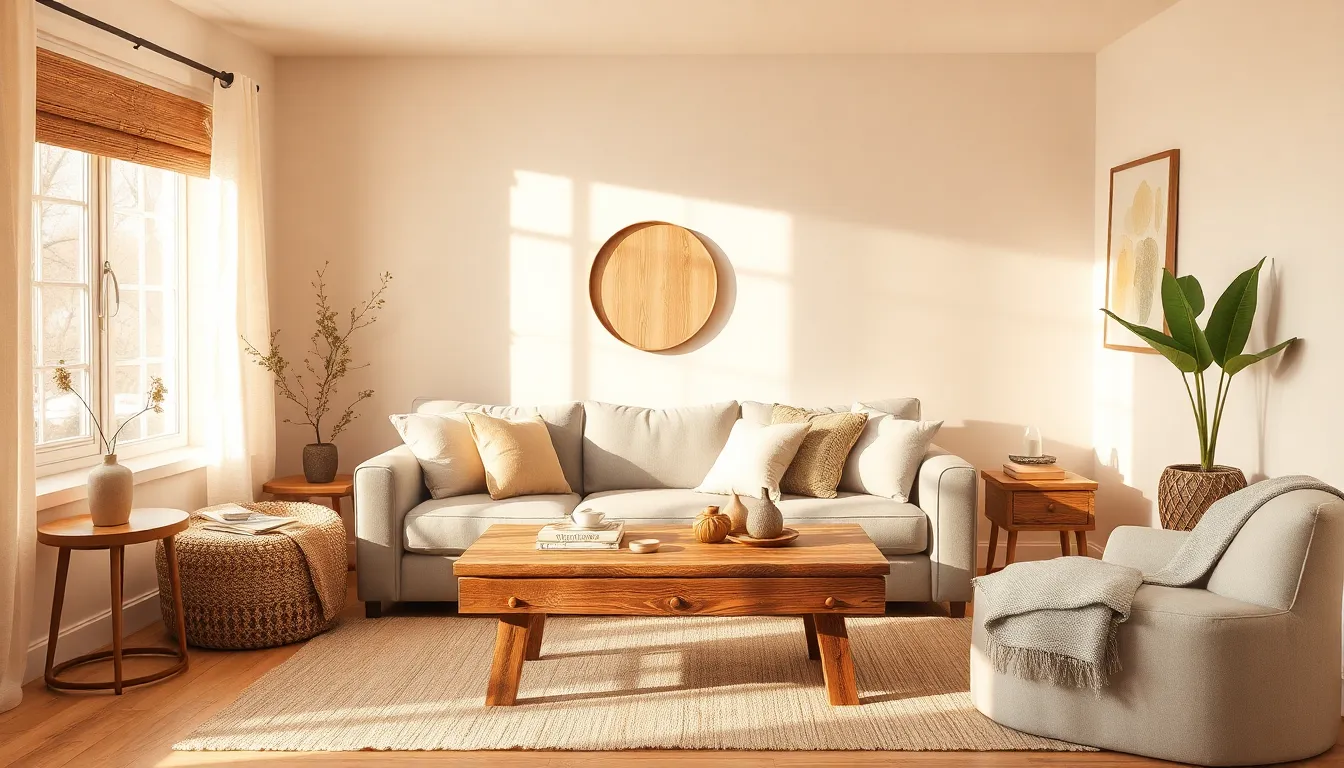
Casual color combinations create inviting spaces, enhancing comfort and warmth. Two popular combinations include soft neutrals and earthy tones.
Soft Neutrals
Soft neutrals encompass shades such as beige, light grey, and cream. These colors provide a calm backdrop, allowing other colors to stand out without overpowering the space. Light taupe blends seamlessly with soft pastels, creating a balanced environment. Minimalist designs benefit from these subtle hues, as they reflect light and create an airy feel. Incorporating accents like dusty rose or soft mint can elevate the aesthetic while maintaining a laid-back vibe. Utilizing soft neutrals fosters a serene atmosphere in living rooms or bedrooms, promoting relaxation.
Earthy Tones
Earthy tones include muted greens, browns, and terracotta shades. These colors mimic natural elements, grounding a space and promoting a sense of harmony. Olive green pairs well with warm rust for a cozy, inviting look. In kitchens, earthy yellows can add a cheerful touch while remaining understated. Integrating deep browns provides warmth and richness to a room, enhancing overall comfort. From textural fabrics to rustic décor, earthy tones create a connection to nature, making them an ideal choice for casual interiors.
How to Choose a Casual Color Palette
Choosing a casual color palette involves thoughtful consideration of various factors that contribute to the overall feel of a space.
Consider Your Space
First, evaluate the size and layout of the room. Larger areas can accommodate bolder accents against soft neutrals. In contrast, smaller rooms benefit from light colors to create an illusion of space. Next, observe the natural light available during different times of the day. Bright rooms often allow for darker tones, while dim spaces may require lighter hues for warmth. Also, consider existing furniture and decor. They offer essential cues regarding complementary colors. Finally, think about the function of each room. Calming shades work best in bedrooms, while cheerful colors can enhance kitchens and living rooms.
Assess Your Personal Style
Reflect on personal aesthetic preferences before settling on a color palette. Consider influences such as lifestyle, favorite colors, or artwork already displayed. Diversifying between modern and traditional styles can significantly affect color choices. Think about the emotions different colors evoke. Warm tones provide comfort and familiarity, while cool tones promote relaxation and sophistication. Identify a few inspiring images from magazines, or online platforms like Pinterest. These visuals can guide color selection, helping visualize how different shades will coexist. Ultimately, a cohesive and personal approach ensures the color palette resonates with one’s unique style.
Tips for Implementing Casual Color Palettes
Implementing casual color palettes enhances the aesthetic and comfort of a space. Here are some essential tips.
Accent Colors
Accent colors add depth and interest to casual palettes. Select hues that complement soft neutrals and earthy tones, such as dusty rose or soft mint. These colors can invigorate a room without overwhelming the senses. Use accents strategically, placing them on pillows, artwork, or decorative pieces. They create focal points while maintaining an inviting atmosphere. It’s crucial to choose accents that harmonize with the main palette, ensuring visual coherence. Just a few well-placed pops of color transform a space and elevate the overall design.
Balance and Harmony
Achieving balance in a casual color palette promotes a cohesive look. Begin by distributing colors evenly throughout the room. Integrating both warm and cool tones fosters harmony and prevents any single shade from dominating. Consider the size of the space when selecting the amount of color; smaller rooms may benefit from lighter shades, while larger areas can handle deeper hues. Patterns can also provide texture and interest without disrupting the flow. Attention to arrangement leads to a serene, welcoming environment that feels curated yet effortless.
Casual color palettes offer a refreshing approach to interior design that prioritizes comfort and tranquility. By incorporating soft neutrals and earthy tones, individuals can create spaces that invite relaxation and foster creativity. The strategic use of accent colors enhances the overall aesthetic while maintaining a laid-back vibe.
Choosing the right palette involves considering personal style and the unique characteristics of each room. With thoughtful planning and a focus on balance, anyone can transform their surroundings into inviting havens that reflect their personality. Embracing these casual colors not only elevates the decor but also enriches the experience of everyday living.