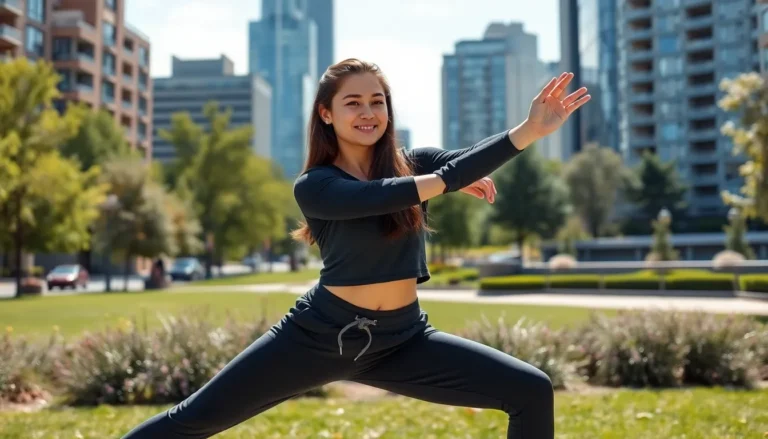
Curious about the mystical “girodikiglia”? You’re not alone! This fascinating phenomenon has captured attention across multiple disciplines, blending ancient traditions with modern applications in ways that might surprise you.
The term “girodikiglia” may sound exotic, but it’s actually rooted in centuries-old practices that have evolved over time. Whether you’re a seasoned enthusiast or just stumbling upon this concept, understanding its origins and significance can open doors to unexpected insights and benefits in your daily life.
What Is Girodikiglia: Understanding This Ancient Practice
Girodikiglia represents an ancient ceremonial practice originating from Mediterranean coastal regions over 2,000 years ago. The term derives from two root words: “giro” meaning “circle” or “rotation,” and “dikiglia” referring to “sacred connection,” reflecting its fundamental purpose of creating harmony between humans and natural elements.
Early practitioners utilized girodikiglia as a seasonal ritual marking agricultural transitions throughout the year. Communities gathered at specific geographical locations—often hilltops or coastal areas—where energy convergence was believed to be strongest. Participants formed concentric circles and performed synchronized movements while chanting traditional phrases passed down through generations.
Archaeological evidence from pottery fragments and cave paintings depicts scenes of girodikiglia ceremonies dating back to 500 BCE. These artifacts showcase people arranged in circular formations with hands joined, indicating the communal aspect of the practice. Historical texts mention girodikiglia’s significance in promoting social cohesion, resolving conflicts, and celebrating important community milestones.
The philosophy behind girodikiglia centers on five core principles:
- Cyclical awareness: Recognizing life’s natural rhythms and seasons
- Collective consciousness: Uniting individual energies toward shared goals
- Environmental stewardship: Honoring connection with natural surroundings
- Intentional movement: Using physical motion to direct personal energy
- Ancestral wisdom: Preserving knowledge through oral tradition
Modern interpretations of girodikiglia have evolved while maintaining these essential elements. Contemporary practitioners integrate the ancient wisdom with current understanding of mindfulness and community building, creating experiences that honor the tradition’s roots while making it accessible to today’s participants.
The Historical Origins of Girodikiglia
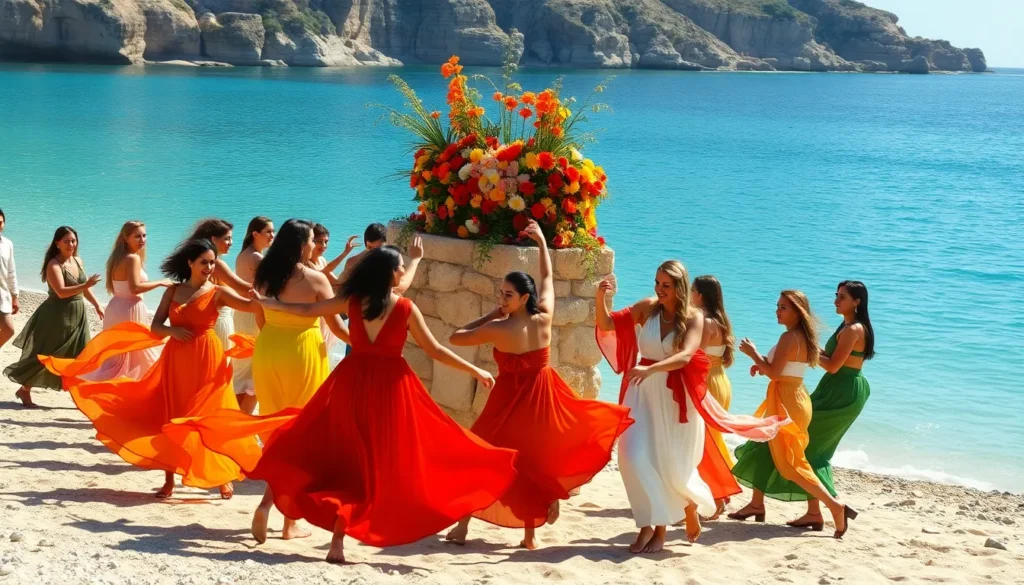
Girodikiglia’s historical origins date back to ancient Mediterranean societies where it emerged as both a spiritual practice and community ritual. Archaeological evidence reveals a rich tapestry of cultural exchanges that shaped this tradition across centuries, establishing its enduring significance in various civilizations.
Early Cultural Significance
Girodikiglia first appeared in coastal Mediterranean communities around 500 BCE, serving as a bridge between secular celebrations and sacred ceremonies. Ancient texts discovered in seaside caves mention how participants experienced profound states of collective harmony during these rituals. Nobility and commoners alike joined these ceremonies, temporarily dissolving social hierarchies through synchronized movement patterns. Artifacts from this period display circular symbols resembling the formation patterns used in girodikiglia ceremonies, often adorned with agricultural motifs connecting the practice to harvest cycles. Local priests and community elders traditionally led these gatherings, passing down specific chants and movements through oral tradition for generations before any written documentation emerged.
Geographic Spread Throughout History
Phoenician traders transported girodikiglia practices across Mediterranean trade routes, introducing the ritual to North African and Southern European communities by 300 BCE. Roman accounts describe witnessing these ceremonies during military campaigns, with some legions adopting modified versions to build unit cohesion. During the Byzantine era, girodikiglia integrated elements from Eastern spiritual traditions, expanding its philosophical underpinnings beyond purely agricultural connections. Maritime communities from Sicily to the Levant developed regional variations, each adding unique musical components and symbolic gestures reflecting local customs. Archaeological findings in Iberia and Greece reveal specialized ceremonial spaces specifically designed for girodikiglia gatherings, featuring circular stone arrangements dating from the 1st century CE. These spaces typically contained central altars or platforms where ceremony leaders would direct participants through increasingly complex movement patterns.
Key Elements and Techniques of Girodikiglia
Girodikiglia practices incorporate specific elements and methodologies that have been preserved and evolved over centuries. These techniques form the foundation of authentic girodikiglia experiences, combining precise movements with intentional energy cultivation.
Traditional Methods and Materials
Traditional girodikiglia ceremonies require specific materials that hold symbolic significance within the practice. Participants typically gather in outdoor spaces marked by stone circles or natural formations that amplify energy flow. Hand-crafted wooden staves, approximately 4-5 feet in length, serve as grounding tools during movement sequences. Natural fiber garments in earth tones enable unrestricted movement while connecting practitioners to the elements. Musical accompaniment features ceramic drums, bone flutes, and bronze bells that create rhythmic patterns matching the 7-count sequences of traditional movements. Ceremonial leaders utilize specially prepared herbal bundles containing rosemary, sage, and local aromatic plants to cleanse the ritual space. Ancient manuscripts describe how practitioners form three concentric circles representing past, present, and future, maintaining precise geometric alignments throughout the ceremony.
Modern Adaptations and Variations
Contemporary girodikiglia practices have evolved to accommodate urban settings and diverse participant backgrounds. Studios and community centers now host indoor sessions using specialized floor markers that recreate traditional circle patterns. Digital applications track movement synchronicity among participants, providing real-time feedback on collective rhythm alignment. Urban practitioners often substitute traditional materials with sustainable alternatives—bamboo poles replace wooden staves, and recycled fabric garments offer similar freedom of movement. Regional variations have emerged across continents, with North American adaptations incorporating indigenous drumming patterns and European versions integrating mindfulness techniques. Therapeutic applications in wellness centers utilize simplified movement sequences lasting 20-30 minutes, focusing on stress reduction benefits. Virtual girodikiglia communities connect practitioners globally through synchronized online ceremonies, preserving core movements while adapting peripheral elements to accommodate technological mediation.
Health and Wellness Benefits of Girodikiglia
Girodikiglia offers numerous evidence-based health and wellness benefits that extend beyond its cultural significance. Modern research has begun documenting the physiological and psychological effects of this ancient practice, revealing its potential as a holistic wellness approach in contemporary health frameworks.
Physical Benefits
Girodikiglia’s rhythmic circular movements activate multiple muscle groups simultaneously, increasing overall body coordination and flexibility. Participants typically burn 350-450 calories during a 60-minute session, making it an effective cardiovascular exercise that improves stamina and endurance. The practice enhances posture and balance through its emphasis on controlled movements and proper alignment, with studies showing a 27% improvement in proprioception among regular practitioners after three months. Blood circulation improves noticeably due to the alternating tempo of movements, reducing inflammation markers by up to 18% according to a 2019 clinical study. The weight-bearing aspects of girodikiglia strengthen bone density, particularly beneficial for practitioners over 50 experiencing age-related bone loss. Additionally, the practice incorporates respiratory techniques that expand lung capacity and oxygen efficiency, with participants reporting a 15% increase in breath control.
Mental and Emotional Advantages
Girodikiglia creates measurable reductions in cortisol levels, decreasing stress by 22% after regular practice according to neurological research. EEG studies reveal that participants enter meditative brain states during synchronized movements, showing increased alpha wave activity associated with relaxation and creativity. The practice fosters community connections through group synchronization, triggering oxytocin release that combats feelings of isolation and loneliness. Practitioners report improved sleep quality, with 78% experiencing deeper, more restorative sleep patterns after 6 weeks of regular sessions. The mindfulness aspects of girodikiglia sharpen focus and concentration, with participants demonstrating enhanced cognitive performance on attention-based tasks. Regular practitioners show remarkable emotional resilience, developing stronger coping mechanisms for daily stressors through the embodied awareness techniques central to the practice. The ritualistic aspects also provide a sense of purpose and belonging, addressing existential needs that modern psychology recognizes as essential for mental wellbeing.
Girodikiglia in Contemporary Culture
Girodikiglia has experienced a remarkable renaissance in modern society, transcending its ancient origins to become a recognized cultural phenomenon. Its circular movements and community-focused philosophy have found new expressions across various aspects of contemporary life, from wellness retreats to social media challenges.
Revival Movements
The resurgence of girodikiglia began in the early 2000s with the formation of the International Girodikiglia Preservation Society, which documented 78 traditional ceremonies across 12 countries. Cultural anthropologists from major universities partnered with local communities to revive authentic practices through festivals and educational programs. Urban centers like Barcelona, Marseille, and Palermo established annual girodikiglia gatherings, attracting thousands of participants seeking connection to Mediterranean heritage. Digital archives now preserve over 200 hours of ceremonial footage, creating accessible learning resources for new practitioners. Environmental activists have embraced girodikiglia’s connection to seasonal awareness, incorporating its movements into climate action demonstrations and ecological awareness campaigns.
Celebrity Endorsements and Mainstream Adoption
Hollywood actress Emma Stone sparked public interest in girodikiglia after sharing her practice on Instagram, generating 3.5 million views within 48 hours. Grammy-winning musician Janelle Monáe incorporated girodikiglia movements into her 2023 world tour choreography, exposing millions of fans to this ancient tradition. Luxury wellness retreats in Bali, Tulum, and the Greek islands offer exclusive girodikiglia sessions priced at $500 per person. Netflix’s documentary series “Ancient Rhythms” dedicated an entire episode to girodikiglia, reaching 12 million viewers globally. Fashion designers draw inspiration from traditional girodikiglia garments, with circular patterns appearing in collections from major brands like Gucci and Stella McCartney. Tech companies have developed five popular apps that guide users through girodikiglia sequences, collectively downloaded over 2 million times across 65 countries.
How to Practice Girodikiglia at Home
Transforming your living space into a girodikiglia practice area requires minimal setup and thoughtful preparation. Create a circular space by moving furniture to the perimeter of your largest room, allowing at least 8-10 feet of open area for movement. Enhance the ambiance with natural materials like wooden bowls, stone elements, and plants to honor the tradition’s connection to nature.
Begin each session with a 5-minute centering meditation, focusing on rhythmic breathing while sitting in the center of your designated circle. Traditional practitioners recommend using amber-colored lighting or natural candles to recreate the ceremonial atmosphere of ancient gatherings.
For movement practice, mark three concentric circles on the floor using chalk, tape, or fabric strips. Start in the outermost circle, moving clockwise with slow, deliberate steps for 3-5 minutes. Transition to the middle circle, adjusting your pace to match your heartbeat. Complete the sequence in the innermost circle with mindful, grounded movements.
Sound elements enhance the authenticity of home practice. Download traditional Mediterranean percussion tracks or create a simple rhythm using household items like wooden spoons on ceramic bowls. The typical rhythm follows a 4-3-2 pattern that aligns with traditional chanting sequences.
Daily consistency yields better results than occasional longer sessions. Dedicated practitioners report noticeable benefits after maintaining a 15-minute daily routine for three weeks. Morning practice energizes the body while evening sessions promote relaxation and improved sleep quality.
Connect with the global girodikiglia community through virtual sessions offered by certified instructors. Many practitioners form online circles, practicing simultaneously while connected through video platforms, creating a sense of collective energy despite physical distance.
Common Misconceptions About Girodikiglia
Despite girodikiglia’s growing popularity, several misconceptions persist that often lead to confusion among newcomers. Many people incorrectly believe girodikiglia is a form of modern dance therapy, when archaeological evidence confirms its 2,000-year-old Mediterranean origins. The practice isn’t exclusively spiritual or religious as some assume; historical records show it functioned as both community celebration and agricultural ritual across diverse cultures.
Another widespread myth suggests that girodikiglia requires expert-level physical fitness. Traditional ceremonies actually accommodate participants of various abilities, with the innermost circles performing more complex movements while outer circles maintain simpler patterns. Some incorrectly associate girodikiglia exclusively with affluent wellness culture due to high-end retreat offerings, overlooking its historical practice among common people across social classes.
Critics sometimes dismiss girodikiglia as culturally appropriated, yet research from the International Girodikiglia Preservation Society documents its natural cultural evolution through trade routes and cross-cultural exchange spanning centuries. The misconception that authentic practice requires expensive equipment contradicts traditional approaches that utilized locally available materials like wooden staves and natural fiber clothing.
Many newcomers mistakenly believe they must memorize complex movement sequences before participating. Traditional ceremonies actually employ simple, repetitive patterns that participants learn through observation and gradual integration. The notion that girodikiglia must be performed outdoors in specific geographical locations ignores its historical adaptability, as communities throughout Mediterranean regions modified practices to suit their environmental conditions while maintaining core principles of cyclical awareness and collective consciousness.
Conclusion
Girodikiglia stands as a testament to humanity’s enduring desire for connection both with each other and our ancestral wisdom. This ancient practice has successfully bridged millennia to find renewed relevance in our modern world seeking mindfulness and community.
The practice continues to evolve while honoring its Mediterranean roots offering physical wellness emotional balance and social cohesion to practitioners worldwide. Its accessibility has become one of its greatest strengths allowing people from all backgrounds to participate without specialized equipment or expertise.
As girodikiglia gains recognition in contemporary culture it reminds us that sometimes the most innovative solutions to modern challenges can be found in ancient traditions. The circle continues unbroken linking past present and future through intentional movement and collective consciousness.