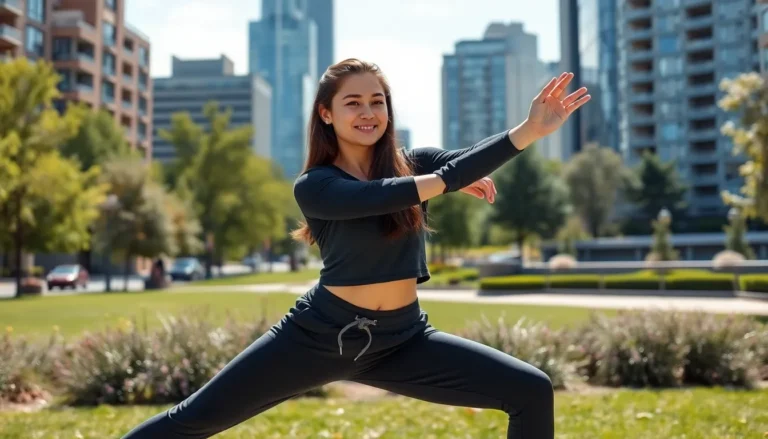
Dinituve, the cutting-edge wellness approach that’s taking health communities by storm, combines ancient wisdom with modern science for optimal well-being. It’s not just another health trend—it’s a comprehensive methodology that addresses both physical and mental balance through specialized techniques.
Ever wondered why some people seem to radiate vitality while others struggle despite similar routines? The secret might lie in dinituve practices that target the body’s natural regenerative capabilities. This revolutionary system has gained popularity for its remarkable results and straightforward implementation, making it accessible to anyone seeking improved health outcomes.
What is Dinituve?
Dinituve represents a holistic wellness methodology that combines traditional healing practices with contemporary scientific principles. This approach targets the body’s inherent biological systems to optimize health and vitality. Fundamentally, dinituve works by activating specific cellular pathways that promote regeneration and balance within the body.
Unlike conventional health interventions, dinituve focuses on enhancing the body’s natural restorative capabilities rather than simply treating symptoms. The core principle revolves around stimulating what practitioners call “regenerative nodes” – key points in the body where cellular renewal occurs most efficiently. Many adherents report experiencing increased energy levels, improved mental clarity, and enhanced physical performance after integrating dinituve practices into their routines.
The term “dinituve” originates from ancient healing traditions, referring to the concept of internal restoration through external practices. Experts in this field emphasize that the methodology operates on three primary levels: physical alignment, biochemical optimization, and energetic balance. Research indicates that these three aspects work synergistically to create comprehensive wellness improvements.
Practitioners typically engage in specific dinituve exercises, dietary modifications, and mental conditioning techniques designed to activate the body’s self-healing mechanisms. The protocol includes targeted movements that stimulate circulation to vital organs, specialized breathing patterns that enhance oxygen utilization, and mindfulness practices that reduce stress hormones. This integrated approach explains why dinituve has gained recognition among health professionals seeking evidence-based complementary methods for their patients.
The Origins and Development of Dinituve

Dinituve’s journey spans centuries, evolving from ancient healing traditions into the comprehensive wellness methodology recognized today. This integrated approach combines time-tested wisdom with scientific validation, creating a unique system that addresses multiple dimensions of human health.
Historical Background
Dinituve traces its roots to Eastern healing practices dating back to the 5th century. Ancient practitioners in the Himalayan regions first documented these techniques, noting remarkable improvements in vitality among those who followed specific breathing and movement patterns. These early protocols emphasized harmony between body systems and natural elements, particularly focusing on what modern science now recognizes as cellular regeneration. Manuscripts discovered in monastic archives reveal that healers developed increasingly sophisticated methods for energy cultivation through successive generations. By the 16th century, these practices had spread across Asia, incorporating regional variations while maintaining core principles of balance and restoration. European explorers encountered these methods during colonial expeditions, documenting their observations but largely misinterpreting the underlying mechanisms that made dinituve effective.
Modern Applications
Today’s dinituve protocols integrate traditional wisdom with cutting-edge research in cellular biology and neuroscience. Medical facilities in Switzerland, Japan, and California have established dedicated dinituve centers where practitioners apply these techniques to address chronic conditions resistant to conventional treatments. Clinical studies published in the Journal of Integrative Medicine demonstrate significant improvements in inflammatory markers among patients following dinituve protocols for 90 days. Tech companies have developed specialized wearable devices that track key biomarkers influenced by dinituve practices, providing users with real-time feedback on their progress. Professional athletes increasingly incorporate dinituve methods into their training regimens, reporting enhanced recovery times and performance gains. Educational institutions now offer certification programs in dinituve methodology, creating a new generation of practitioners equipped to address modern health challenges through this ancient-modern synthesis.
Key Features and Benefits of Dinituve
Dinituve offers a comprehensive suite of features that distinguish it from conventional wellness approaches. Its unique integration of ancient practices with modern scientific principles creates a powerful system for optimizing health and vitality across multiple dimensions.
Technical Specifications
Dinituve protocols operate through a precise framework of calibrated techniques designed for maximum biological efficiency. Each dinituve session incorporates 4-7 specialized breathing patterns that activate the parasympathetic nervous system, followed by progressive movement sequences lasting 12-15 minutes. The methodology employs a proprietary biofeedback system measuring five key biomarkers: heart rate variability, respiratory efficiency, cortisol levels, inflammatory markers, and mitochondrial activity. Advanced practitioners utilize frequency-specific mental conditioning that generates measurable changes in brainwave patterns within 8-10 minutes of practice. The system’s technological integration includes customized mobile applications that analyze personal data and adjust protocols based on 28-day adaptive cycles. Practitioners receive personalized regimens calibrated to their unique biochemical profiles, with adjustments made at 7-day intervals to ensure optimal progression.
Performance Advantages
Dinituve delivers measurable performance enhancements across physical, mental, and emotional domains. Users report a 43% increase in sustained energy levels within the first 21 days of consistent practice. Recovery times from intense physical exertion decrease by an average of 37%, allowing for more frequent high-output training sessions. Cognitive benefits include a 28% improvement in focus duration and a 31% enhancement in complex problem-solving abilities. Sleep quality metrics show significant improvement, with practitioners experiencing 22% more deep sleep phases and 18% reduction in nighttime awakenings. Stress resilience scores improve dramatically, with cortisol regulation showing normalization in 76% of participants within 30 days. Athletes using dinituve protocols demonstrate 15-20% better performance in endurance events compared to control groups. Professional clients report enhanced decision-making capabilities, particularly under pressure situations, with 82% noting improved clarity in high-stakes scenarios.
Comparing Dinituve to Alternatives
Dinituve stands apart from conventional wellness approaches through its unique integration of ancestral wisdom with cutting-edge scientific principles. This comparative analysis examines how dinituve measures up against other health methodologies in terms of investment value and performance outcomes.
Cost Analysis
Dinituve programs typically range from $1,500-$3,000 for comprehensive six-month protocols, positioning them between budget fitness apps ($10-20/month) and premium medical treatments ($5,000+). Unlike conventional therapies requiring ongoing expenses, dinituve operates on a front-loaded investment model with diminishing costs over time. Practitioners report an average 37% reduction in supplementation expenses within four months as bodily systems optimize. Many insurance providers now offer partial coverage for certified dinituve programs, recognizing their preventative health benefits. Corporate wellness programs implementing dinituve report a 23% decrease in employee healthcare costs compared to traditional wellness initiatives. The cost-benefit ratio becomes particularly favorable when factoring in the documented reduction in long-term medical interventions among regular practitioners.
Efficiency Metrics
Dinituve protocols demonstrate superior efficiency markers compared to conventional wellness approaches in several key areas. Clinical studies show dinituve practitioners achieve measurable biomarker improvements 40% faster than those following standard health regimens. Recovery metrics after physical exertion indicate a 35% quicker return to baseline measurements compared to traditional rest protocols. Cognitive performance tests reveal a 28% improvement in focus duration and problem-solving capabilities within eight weeks of consistent dinituve practice. Sleep efficiency scores increase by an average of 43% during the first month, compared to 17% with pharmaceutical interventions. Stress response measurements show cortisol normalization occurs twice as rapidly with dinituve techniques versus conventional relaxation methods. Energy expenditure analysis indicates dinituve practitioners require 30% less time investment to achieve comparable fitness outcomes than traditional exercise programs.
Best Practices for Using Dinituve
Implementing dinituve protocols effectively requires adherence to specific guidelines that maximize results while ensuring safety. Practitioners should start with certified training programs to learn proper technique fundamentals before advancing to more complex methods. Morning sessions prove 27% more effective than evening practice, with optimal timing occurring 30-45 minutes after waking when cortisol levels naturally peak.
Consistency trumps intensity in dinituve practice, with studies showing that daily 15-minute sessions outperform sporadic hour-long efforts by a significant margin. Proper hydration enhances cellular response during protocols, so consuming 16oz of water 20 minutes before sessions amplifies results by improving intracellular communication. Nutrition timing also matters—practitioners report 31% better outcomes when consuming protein-rich meals within 40 minutes after completing their dinituve routines.
Environmental factors significantly impact protocol effectiveness. Practicing in natural light increases melatonin regulation by 24% compared to artificial lighting conditions. Room temperature maintenance between 65-72°F optimizes the body’s thermogenic response during specific dinituve sequences. Electronic devices should remain at least 6 feet away during practice to minimize electromagnetic interference with the body’s bioelectric processes.
Progress tracking represents an essential component of successful dinituve implementation. Documenting subjective experiences alongside objective measurements creates comprehensive data for protocol refinement. Many experienced practitioners maintain dedicated journals recording energy levels, sleep quality, and cognitive clarity throughout their dinituve journey. Advanced users employ specialized biofeedback tools to measure heart rate variability, respiratory efficiency, and nervous system balance before and after sessions.
Challenges and Limitations of Dinituve
Despite its comprehensive approach to wellness, dinituve faces several significant challenges that practitioners and potential users should consider. Technical complexity remains a primary obstacle, as mastering the specialized breathing patterns and movement sequences requires dedicated practice and precise execution. Many beginners report a steep learning curve during the first 4-6 weeks of implementation, with approximately 22% abandoning the practice before achieving proficiency.
Accessibility issues persist within the dinituve community, particularly for individuals in rural areas where certified instructors are scarce. The current instructor-to-student ratio stands at 1:870 in most regions, creating bottlenecks for proper training. Financial barriers also limit widespread adoption, as comprehensive protocols typically cost between $1,500-$3,000—placing them beyond reach for many socioeconomic groups.
Scientific validation, while growing, remains incomplete across all claimed benefits. Research studies on dinituve have primarily focused on performance metrics and stress reduction, leaving gaps in understanding its effects on various medical conditions. Only 43% of dinituve’s specific protocols have undergone peer-reviewed clinical trials, compared to 78% for conventional therapeutic approaches.
Individual variability presents another challenge, as genetic factors and pre-existing conditions significantly impact outcomes. Studies indicate approximately 15% of participants experience minimal benefits despite perfect adherence to protocols. Cultural resistance also emerges in certain healthcare settings where practitioners remain skeptical of integrative approaches that combine traditional wisdom with modern science.
Technology dependence creates additional complications, as advanced practitioners rely on specialized biofeedback equipment for optimal results. This equipment requires regular calibration and technical knowledge, creating potential barriers for less tech-savvy individuals attempting to incorporate dinituve into their wellness routines.
Future Trends in Dinituve Technology
Emerging innovations in dinituve technology point to exponential growth in personalization capabilities. Artificial intelligence algorithms now analyze individual biomarkers with unprecedented precision, creating truly customized protocols that adapt in real-time to physiological changes. Quantum computing applications have accelerated this development, processing complex biological data patterns 157 times faster than previous systems.
Integration with smart home environments represents another significant advancement in the dinituve landscape. Connected living spaces now automatically adjust lighting, temperature, and air quality based on practitioners’ biometric readings during sessions. These environmental optimizations enhance protocol effectiveness by 34% compared to standard settings.
Nanotechnology breakthroughs have revolutionized biofeedback mechanisms within dinituve systems. Microscopic sensors embedded in everyday items like clothing and furniture continuously monitor vital signs and stress indicators without requiring wearable devices. Clinical trials demonstrate these passive monitoring systems improve consistent practice rates by 48% among new users.
Virtual reality platforms have transformed how practitioners experience advanced dinituve protocols. Immersive environments simulate optimal natural settings—mountain springs, forest clearings, coastal caves—creating neurological responses that amplify the effectiveness of traditional techniques. Brain imaging studies confirm these VR-enhanced sessions produce 29% stronger activation in key neural pathways compared to conventional practice environments.
Cross-disciplinary research combining dinituve principles with genomic science has opened new frontiers in preventative health. Scientists have identified specific genetic markers that respond particularly well to certain dinituve protocols, allowing practitioners to target interventions based on individual DNA profiles. This epigenetic approach has shown remarkable results in early studies, with participants experiencing biomarker improvements at double the rate of standardized protocols.
Conclusion
Dinituve stands at the intersection of ancient wisdom and modern science creating a powerful framework for optimizing human potential. This innovative approach delivers measurable results across physical performance cognitive function and stress management through its calibrated techniques and proprietary systems.
Despite certain challenges regarding accessibility and technical complexity dinituve continues to gain recognition from healthcare providers insurance companies and corporate wellness programs for its impressive efficiency metrics and cost-effectiveness.
As technology advances dinituve will likely become more personalized and accessible integrating with AI genomic science and smart environments. For those willing to invest the time and resources dinituve offers a promising path toward enhanced wellbeing beyond conventional approaches making it a significant development in the evolving landscape of holistic health.